
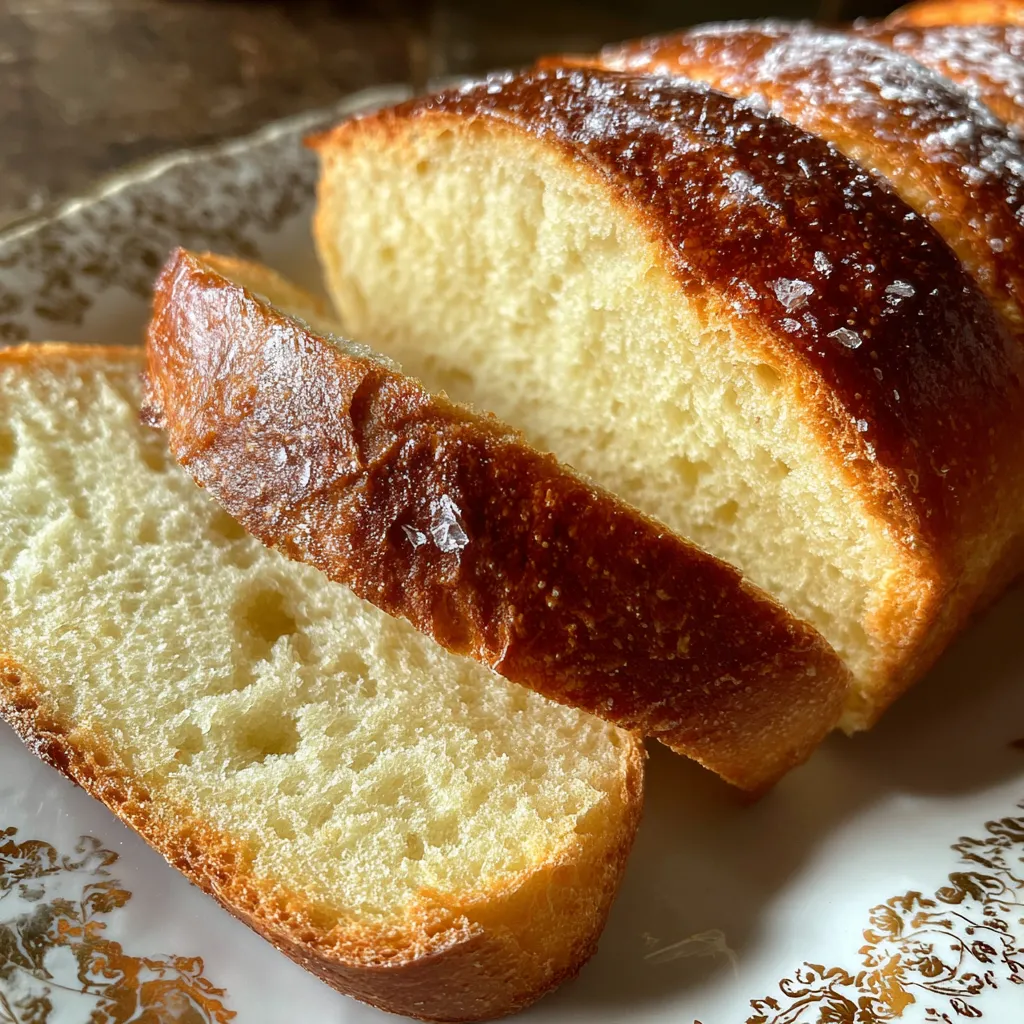
Who knew that with just a handful of pantry staples you could bake a pillow-soft French loaf at home? Soft Fluffy Bakery-Style French Bread Loaf turns simple ingredients like bread flour, yeast, sugar, and butter into a loaf with a crisp, golden crust that melts in your mouth. This intermediate-level recipe guides you through kneading smooth, elastic dough, coaxing out airy bubbles, and brushing on melted butter for a soft, tender crumb you’ll want to slice again and again.
Here’s what you’ll need to whip up this bakery-style loaf:
Baking this French loaf is a rewarding dance of proofing, kneading, and shaping. We’ll guide you through each stage—from foaming the yeast to slashing the loaf and brushing on butter—so you end up with a tender crumb and that classic bakery appearance.
1. In a small bowl, combine 240 milliliters warm water, 60 milliliters whole milk, 10 grams sugar, and 7 grams instant yeast. Stir gently until the sugar dissolves, then let the mixture rest for 5–10 minutes until it becomes foamy, indicating the yeast is active.
2. In a large bowl, whisk together 500 grams bread flour and 10 grams salt, ensuring even distribution to promote uniform flavor and gluten development.
3. Pour the yeast mixture into the flour mixture and add 30 grams softened unsalted butter, ensuring the butter is at room temperature for smooth incorporation.
4. Stir with a wooden spoon until a shaggy dough forms, scraping the sides of the bowl, then turn the dough out onto a lightly floured surface to prevent sticking.
5. Knead by hand for 8–10 minutes (or in a stand mixer with a dough hook for 5–7 minutes) until the dough is smooth and elastic, bouncing back gently when poked.
6. Place the dough in a lightly oiled bowl, cover with plastic wrap or a damp towel, and let it rise in a warm spot for 1–1½ hours or until it has doubled in size, developing flavor and structure.
7. Gently punch down the dough to release excess air, then shape it into a tight loaf by flattening it into a rectangle, rolling it up snugly, and pinching the seam closed to hold its shape.
8. Place the shaped loaf seam-side down on a parchment-lined baking sheet, cover it, and let it rise for 45–60 minutes until puffy, ensuring a lofty final result.
9. Preheat your oven to 220°C (425°F). Using a sharp knife or lame, make 3–4 diagonal slashes across the top of the loaf to control expansion and create that classic look.
10. Bake for 20–25 minutes until the crust turns golden brown and the loaf sounds hollow when tapped on the bottom, confirming it’s fully baked inside.
11. Remove the loaf from the oven and immediately brush the crust with melted butter for extra softness. Let it cool completely on a wire rack before slicing to set the crumb.
Whether you’re enjoying this loaf for breakfast, lunch, or dinner, these ideas will highlight its pillowy interior and golden crust:
Getting that ideal soft and fluffy crumb with a slightly tender crust is all about technique and temperature. From proofing your yeast at just the right warmth to using bread flour for extra chew, these friendly tips will help you master every step. Whether you’re a seasoned home baker or tackling your first loaf, small tweaks—like brushing on butter right out of the oven or experimenting with a tangzhong roux—can elevate your bread game and yield consistent, bakery-style results every time.
Storing your freshly baked Soft Fluffy Bakery-Style French Bread Loaf properly ensures it stays tender and delicious for as long as possible. By choosing the right method—whether you’re planning to eat it within a day or freezing it for later—you’ll preserve that soft, airy crumb and golden crust. Here are some reliable storage tips to maintain freshness:
Got questions? We’ve gathered the most common dilemmas home bakers face when making this French bread loaf.
The yeast mixture should become foamy and bubbly on the surface within 5–10 minutes. This indicates the yeast is alive and active. If it remains flat and shows no foam, the yeast may be expired or the water temperature was too hot or cold, so you should start over with fresh yeast and ensure the liquid is between 38–43°C (100–110°F).
If the dough is very sticky, sprinkle on a small amount of additional bread flour—about a tablespoon at a time—until it becomes tacky but no longer clings heavily to your hands. Avoid adding too much extra flour, as this can lead to a dense loaf. The dough should be slightly tacky but elastic after proper kneading.
After the first rise, gently deflate the dough and flatten it into a rectangle. Starting from one long edge, roll the dough tightly toward you, keeping the roll snug but not stretched thin. Pinch the seam closed and tuck the ends under to form an even, uniform loaf. Place it seam-side down on the baking sheet to hold the shape during the second rise.
A tangzhong is a cooked flour–water paste that adds extra moisture and tenderness. To use it, combine 30 grams of bread flour with 150 milliliters of water in a small saucepan and cook over medium heat, whisking constantly, until it thickens to a pudding-like consistency (about 65°C). Cool it to room temperature and substitute it for 30 milliliters of the warm water called for in the recipe. Add the cooled tangzhong along with the yeast mixture.
Use a sharp knife or lame to make 3–4 diagonal slashes about 3–5 millimeters deep at a 30–45° angle. This allows the loaf to expand evenly and achieve that characteristic bakery-style look. Slashing too shallow may prevent proper oven spring, while too deep can cause the loaf to collapse.
Brushing the crust with melted butter while the loaf is hot seals in moisture and softens the exterior, yielding a tender, less-crispy crust that remains soft even after cooling. It also adds a subtle richness and slight sheen to the crust, enhancing both flavor and appearance.
Once the loaf has cooled completely on a wire rack, store it in a paper or cloth bag at room temperature for up to two days. This allows the bread to breathe and prevents the crust from becoming soggy. Avoid plastic bags, which trap moisture and make the crust chewy rather than soft and tender.
Yes, you can freeze the fully cooled loaf by wrapping it tightly in plastic wrap followed by aluminum foil. To reheat, bake at 175°C (350°F) for 10–15 minutes from frozen or until warmed through. If reheating sliced bread, arrange the slices on a baking sheet and heat for 5–7 minutes until the crust regains some crispness and the interior is soft.
This Soft Fluffy Bakery-Style French Bread Loaf brings the charm of a local boulangerie right into your kitchen. By mastering a few key techniques—proper yeast activation, diligent kneading, precise slashing, and that final buttery brush—you create a loaf that’s soft as a pillow inside and elegantly golden on the outside. Feel free to print or save this recipe for your next baking adventure, and don’t hesitate to leave a comment or ask questions below. Share your own twists or let me know how it turns out—you’ve got this!
This recipe guides you through kneading smooth, elastic dough, coaxing out airy bubbles, and baking until the crust turns a perfect golden brown. Brush with butter to finish for a soft, tender crumb and buttery aroma.

¡Hola, cocineros! I'm Alba Morales, and welcome to my kitchen where Spanish traditions meet California innovation, and every recipe is a love letter to the flavors that have shaped my culinary journey.