

Grandma’s Secret Sauce is the ultimate homage to old-world simplicity and deep, homey flavor. Slow-simmered with San Marzano tomatoes, garlic, aromatic veggies and a splash of red wine, this rich tomato sauce turns any dish into a cozy feast. Whether you’re twirling it around pasta, layering it in lasagna, or spooning it over meatballs, it’s sure to impress. Ready to unlock grandma’s best-kept culinary secret? Let’s dive in and coax these flavors together!
Key Ingredients
Here’s a look at the star players that give Grandma’s Secret Sauce its irresistible depth and warmth:
- 3 tablespoons extra-virgin olive oil: Key for sautéing onions and garlic while adding silky richness.
- 1 medium yellow onion, finely diced: Provides a sweet, savory base that caramelizes slowly.
- 4 cloves garlic, minced: Infuses fragrant, pungent aroma and classic Italian flavor.
- 2 tablespoons tomato paste: Intensifies the tomato taste by darkening and thickening the sauce.
- 2 cans (28 oz / 800 g each) whole peeled tomatoes, preferably San Marzano: The juicy backbone that delivers bright, sweet tomato goodness.
- 1 small carrot, peeled and cut in half: Adds natural sweetness to balance acidity.
- 1 rib celery, cut in half: Lends subtle earthy aroma and depth.
- 1 bay leaf: Contributes gentle herbal earthiness during the long simmer.
- 1 teaspoon dried oregano: Brings warm, peppery notes to the sauce.
- 1 teaspoon dried basil: Enhances the fresh-herb character.
- 1/2 teaspoon dried thyme: Offers a hint of woodsy, minty undertones.
- 1/2 teaspoon crushed red pepper flakes (optional, adjust to taste): Adds a touch of heat for sparkle.
- 1 teaspoon sugar (or to taste): Rounds out tangy edges for balanced flavor.
- 1 1/2 teaspoons fine sea salt, plus more to taste: Essential for seasoning and enhancing all other flavors.
- 1/2 teaspoon freshly ground black pepper, plus more to taste: Provides gentle spice and complexity.
- 1/4 cup fresh basil leaves, loosely packed, torn or chopped: Added at the end for bright, herbaceous lift.
- 2 tablespoons unsalted butter (optional but recommended for richness): Melts in at finish to give velvety smoothness.
- 1/4 cup freshly grated Parmesan or Pecorino Romano cheese (optional, for finishing): Stirred in or sprinkled on top to deepen umami.
- Splash of red wine (about 1/4 cup, optional): Builds acidity and luxurious flavor layers.
- Splash of water as needed (about 1/4–1/2 cup, if sauce thickens too much): Ensures the sauce stays smooth and saucy.
How To Make Grandma’s Secret Sauce
Let’s walk through each step of building these rich flavors. You’ll start by crushing tomatoes, then layer in aromatics, simmer low and slow, and finish with fresh herbs and optional cheese. Follow the numbered instructions below, and you’ll have a luscious, deeply flavored sauce perfect for countless dishes.
1. Prepare the tomatoes:
- Open the cans of whole peeled tomatoes and pour them into a large bowl.
- Using clean hands or a potato masher, crush the tomatoes into small pieces, leaving some texture. Remove any tough stem ends if present. Set aside.
2. Build the flavor base:
- In a large, heavy-bottomed pot or Dutch oven, heat the olive oil over medium heat.
- Add the diced onion and a pinch of salt. Cook, stirring occasionally, until the onion turns soft, translucent, and just starting to turn golden at the edges, about 8–10 minutes. Adjust heat so it doesn’t brown too quickly.
- Add the minced garlic and cook for 30–60 seconds, stirring constantly, until fragrant but not browned.
3. Add tomato paste and optional wine:
- Stir in the tomato paste and cook it with the onions and garlic for 2–3 minutes, allowing it to darken slightly in color; this intensifies the tomato flavor.
- If using red wine, pour it in now. Stir and let it bubble for 2–3 minutes to allow the alcohol to cook off and the mixture to slightly thicken.
4. Add tomatoes and aromatics:
- Pour the crushed tomatoes and all their juices into the pot.
- Add the carrot halves, celery halves, and bay leaf to infuse subtle sweetness and depth.
- Stir in the dried oregano, dried basil, dried thyme, crushed red pepper flakes (if using), sugar, salt, and black pepper.
5. Simmer low and slow:
- Bring the sauce just to a gentle simmer over medium heat, then immediately reduce the heat to low.
- Partially cover the pot with a lid (leave a small gap for steam to escape).
- Simmer very gently for at least 45 minutes, preferably 1 to 1½ hours, stirring every 10–15 minutes to prevent sticking. The sauce should bubble lazily, not boil rapidly.
- If the sauce becomes too thick before the flavors meld, add a small splash of water and continue to simmer.
6. Adjust texture and remove aromatics:
- After simmering, remove the carrot, celery, and bay leaf and discard them.
- For a rustic sauce, leave it as is. For a smoother sauce, use an immersion blender to partially or fully blend to your desired consistency, being careful as the sauce is hot.
- If the sauce tastes too tangy, you can add an extra pinch of sugar or another tablespoon of butter to round out the acidity.
7. Finish with fresh herbs and richness:
- Stir in the fresh basil leaves and let the sauce simmer gently, uncovered, for another 5 minutes.
- Turn off the heat and, if using, stir in the butter until melted and fully incorporated.
- Taste and adjust seasoning with more salt and pepper if needed.
8. Add cheese (optional but classic):
- If you like, stir in the grated Parmesan or Pecorino while the sauce is hot, or reserve it for sprinkling over the finished dish.
- The cheese will thicken the sauce slightly and deepen the savory flavor.
9. Rest the sauce:
- Let the sauce sit, off the heat, for 10–15 minutes before serving. This brief rest lets the flavors settle and meld.
- Use immediately with hot pasta, lasagna, meatballs, chicken, eggplant Parmesan, or as a pizza base, or let it cool completely for storage.
10. Storage and reheating:
- Cool the sauce to room temperature, then transfer to airtight containers.
- Refrigerate for up to 5 days or freeze for up to 3 months.
- Reheat gently over low heat, adding a splash of water if it has thickened too much, and taste again for salt and pepper after warming.
Serving Suggestions
Whether you’re in the mood for pasta night or a cozy casserole, Grandma’s Secret Sauce shines in so many ways. Here are four delicious ideas to elevate your meal:
- Classic Pasta Pairing: Toss the sauce with al dente spaghetti or rigatoni and finish with a drizzle of extra-virgin olive oil and a sprinkle of freshly grated Parmesan.
- Comforting Lasagna Layers: Layer between sheets of lasagna noodles with ricotta, mozzarella, and a handful of spinach for a hearty, crowd-pleasing bake.
- Hearty Meatball Companions: Simmer homemade or store-bought meatballs right in the sauce for a one-pot dinner that’s bursting with flavor.
- Savory Pizza Base: Spread a thin layer of sauce over your pizza dough before adding cheese and toppings for a homey, restaurant-style pie.
Tips For Perfect Grandma’s Secret Sauce
Nailing this sauce is all about patience and quality ingredients. Keep these friendly pointers in mind for the best results every time:
- For an extra “grandma” touch, simmer a Parmesan rind in the sauce along with the carrot and celery, then remove it at the end.
- The carrot naturally balances acidity; taste the sauce before adding extra sugar.
- Low, slow simmering is crucial: rushing the cook time will give you a sharper, less rounded flavor.
- This sauce tastes even better the next day as the flavors continue to meld in the fridge.
- Use high-quality canned tomatoes (ideally San Marzano) for the best, sweetest tomato flavor.
How To Store It
Once your sauce is ready, proper storage means you’ll have those incredible flavors on tap all week—or months! Here’s how to keep it fresh and delicious:
- Refrigerate in airtight containers: Cool the sauce completely, then transfer to sealed containers. Store in the fridge for up to 5 days.
- Freeze in portioned bags: Divide into meal-sized portions in freezer-safe bags, squeezing out excess air before sealing. Freeze for up to 3 months.
- Use glass jars for longevity: Mason jars with tight lids work great for both fridge and freezer storage—just leave headspace when freezing.
- Label and date: Always note the preparation date so you can enjoy your sauce at its peak freshness.
Frequently Asked Questions
Here are some quick answers to the top questions about Grandma’s Secret Sauce:
- How long does it take to prepare and cook Grandma’s Secret Sauce?
From start to finish, plan for about 15 minutes of prep (dicing the onion, mincing garlic, halving carrot and celery, crushing the tomatoes) and 1 to 1½ hours of gentle simmering. Total time is roughly 1 hour 15 minutes to 1 hour 45 minutes, depending on how long you let the flavors meld.
- Can I use fresh tomatoes instead of canned whole peeled tomatoes?
Yes, but you’ll need about 3 pounds of ripe tomatoes. Blanch, peel, seed, and chop them, then crush by hand or with a masher. Fresh tomatoes may have higher water content, so cook a bit longer to achieve the right thickness, and you might want to stir in an extra tablespoon of tomato paste to intensify the flavor.
- Why do I add a carrot, celery, and bay leaf and then remove them later?
The carrot lends natural sweetness to balance acidity, the celery adds subtle aromatic depth, and the bay leaf brings gentle earthiness. Simmering them whole lets you infuse flavor without adding fiber, so you remove and discard them before serving or blending for a smooth texture.
- My sauce tastes too tangy. How can I round out the acidity?
You can stir in an extra pinch of sugar or a small knob of butter toward the end of cooking to mellow sharpness. Simmering a bit longer at low heat also lets the natural sugars develop. Taste after each adjustment and add just enough until the sauce feels balanced.
- What’s the best way to adjust the sauce’s consistency?
For a thicker sauce, simmer uncovered until it reduces to your liking or blend part of it with an immersion blender. If it becomes too thick, stir in a splash of water (¼ to ½ cup) as it simmers. The carrot and celery should be removed before blending to maintain a smooth finish.
- How do I finish the sauce for maximum richness and flavor?
Stir in the fresh basil leaves during the last 5 minutes of simmering, then turn off the heat and whisk in 2 tablespoons of cold unsalted butter until it melts. You can also fold in freshly grated Parmesan or Pecorino Romano while it’s still hot, or reserve the cheese for sprinkling just before serving.
- What is the best way to store and reheat leftover sauce?
Cool the sauce to room temperature, transfer to airtight containers, and refrigerate for up to 5 days or freeze for up to 3 months. To reheat, warm gently over low heat, adding a splash of water if it has thickened. Taste and adjust salt and pepper after warming, then finish with fresh basil or cheese as desired.
What Makes This Special
What truly sets Grandma’s Secret Sauce apart is its slow-simmer magic and heartfelt simplicity. This isn’t just another jar off the shelf—it’s a celebration of San Marzano tomatoes, garlic, fresh herbs, and a cheeky hint of red wine all uniting in perfect harmony. The layered flavors and velvety texture showcase why following old-school, low-and-slow rules really pays off. Feel free to print and save this recipe for weeknight dinners, Sunday gatherings, or whenever you need a cozy boost. Have thoughts, tweaks, or triumphs? Share your feedback or questions below—I can’t wait to hear how it turns out!
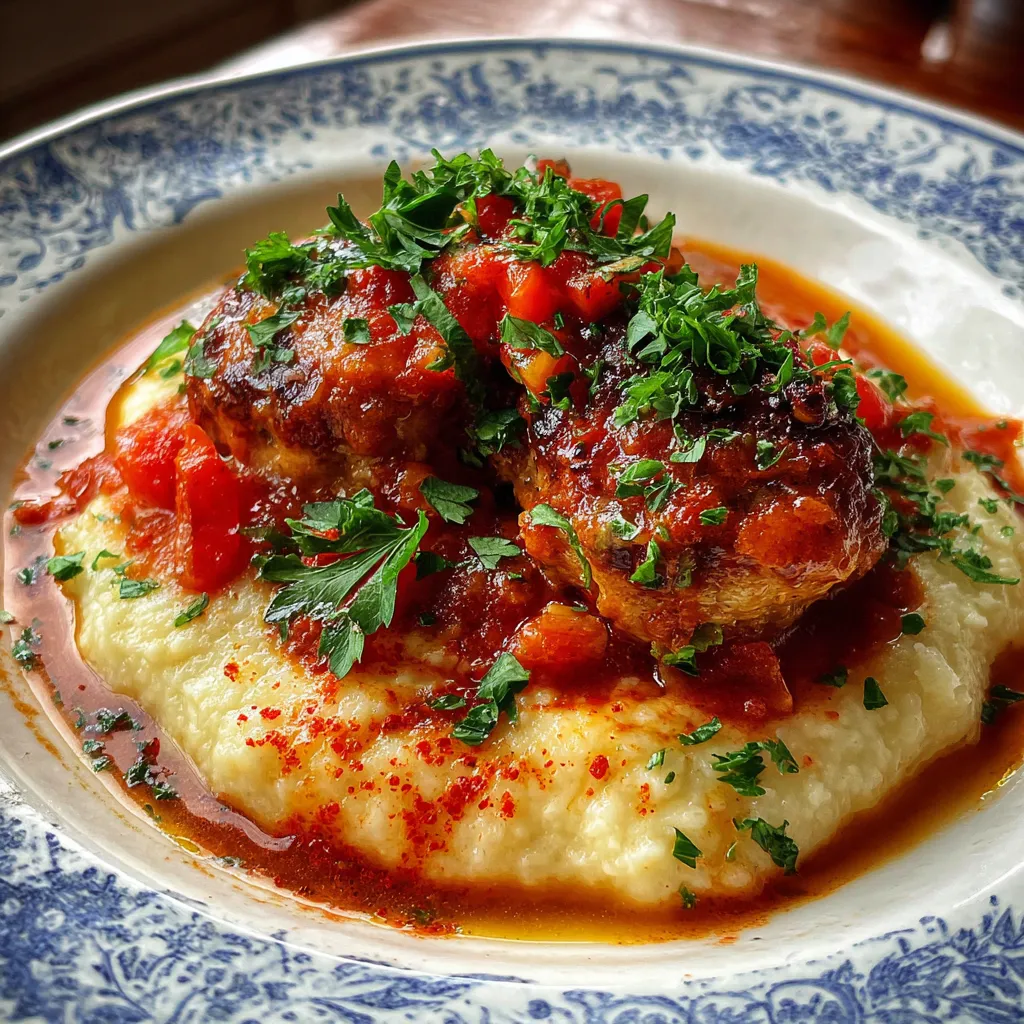

Grandma’s Secret Sauce
Description
This rich tomato sauce simmers low and slow, coaxing out the sweetness of San Marzano tomatoes, tender vegetables, garlic, and fresh basil. A splash of red wine and butter round out its warm, layered flavors.
Ingredients
Instructions
-
Prepare the tomatoes:
-
- Open the cans of whole peeled tomatoes and pour them into a large bowl.
-
- Using clean hands or a potato masher, crush the tomatoes into small pieces, leaving some texture. Remove any tough stem ends if present. Set aside.
-
Build the flavor base:
-
- In a large, heavy-bottomed pot or Dutch oven, heat the olive oil over medium heat.
-
- Add the diced onion and a pinch of salt. Cook, stirring occasionally, until the onion turns soft, translucent, and just starting to turn golden at the edges, about 8–10 minutes. Adjust heat as needed so it doesn’t brown too quickly.
-
- Add the minced garlic and cook for 30–60 seconds, stirring constantly, until fragrant but not browned.
-
Add tomato paste and optional wine:
-
- Stir in the tomato paste and cook it with the onions and garlic for 2–3 minutes, allowing it to darken slightly in color; this intensifies the tomato flavor.
-
- If using red wine, pour it in now. Stir and let it bubble for 2–3 minutes to allow the alcohol to cook off and the mixture to slightly thicken.
-
Add tomatoes and aromatics:
-
- Pour the crushed tomatoes and all their juices into the pot.
-
- Add the carrot halves, celery halves, and bay leaf. These will infuse subtle sweetness and depth.
-
- Stir in the dried oregano, dried basil, dried thyme, crushed red pepper flakes (if using), sugar, salt, and black pepper.
-
Simmer low and slow:
-
- Bring the sauce just to a gentle simmer over medium heat, then immediately reduce the heat to low.
-
- Partially cover the pot with a lid (leave a small gap for steam to escape).
-
- Simmer very gently for at least 45 minutes, preferably 1 to 1 1/2 hours, stirring every 10–15 minutes to prevent sticking. The sauce should bubble lazily, not boil rapidly.
-
- If the sauce becomes too thick before the flavors meld, add a small splash of water and continue to simmer.
-
Adjust texture and remove aromatics:
-
- After simmering, remove the carrot, celery, and bay leaf and discard them.
-
- For a rustic sauce, leave it as is. For a smoother sauce, use an immersion blender to partially or fully blend to your desired consistency, being careful as the sauce is hot.
-
- If the sauce tastes too tangy, you can add an extra pinch of sugar or another tablespoon of butter to round out the acidity.
-
Finish with fresh herbs and richness:
-
- Stir in the fresh basil leaves and let the sauce simmer gently, uncovered, for another 5 minutes.
-
- Turn off the heat and, if using, stir in the butter until melted and fully incorporated.
-
- Taste and adjust seasoning with more salt and pepper if needed.
-
Add cheese (optional but classic):
-
- If you like, stir in the grated Parmesan or Pecorino while the sauce is hot, or reserve it for sprinkling over the finished dish.
-
- The cheese will thicken the sauce slightly and deepen the savory flavor.
-
Rest the sauce:
-
- Let the sauce sit, off the heat, for 10–15 minutes before serving. This brief rest lets the flavors settle and meld.
-
- Use immediately with hot pasta, lasagna, meatballs, chicken, eggplant Parmesan, or as a pizza base, or let it cool completely for storage.
-
Storage and reheating:
-
- Cool the sauce to room temperature, then transfer to airtight containers.
-
- Refrigerate for up to 5 days or freeze for up to 3 months.
-
- Reheat gently over low heat, adding a splash of water if it has thickened too much, and taste again for salt and pepper after warming.
Note
- For an extra “grandma” touch, simmer a Parmesan rind in the sauce along with the carrot and celery, then remove it at the end.
- The carrot naturally balances acidity; taste the sauce before adding extra sugar.
- Low, slow simmering is crucial: rushing the cook time will give you a sharper, less rounded flavor.
- This sauce tastes even better the next day as the flavors continue to meld in the fridge.
- Use high-quality canned tomatoes (ideally San Marzano) for the best, sweetest tomato flavor.

