

Steamed Dumplings with Homemade Dumpling Sauce are your new favorite at-home indulgence—tender parcels of seasoned pork and cabbage steam until wrappers turn translucent and delicate, ready to dunk in a punchy soy-vinegar sauce with chili and scallions. Soft, chewy dumpling skins envelop a savory mix of pork, cabbage, and ginger, steaming until perfectly tender and juicy. Whether you’re hosting friends or craving a cozy dinner, this recipe brings authentic Chinese-style comfort right to your kitchen—no takeout required!
Key Ingredients
Before you dive in, let’s gather all the essentials that make these dumplings irresistible:
- 2 cups all-purpose flour (about 260 g): Creates the soft, pliable dough that forms the dumpling wrappers.
- ¾ cup just-boiled water: Hydrates the flour for a smooth, elastic dough—add more hot water if needed for pliability.
- ¼ teaspoon fine salt: Seasons the dough lightly and enhances the overall flavor.
- 1 teaspoon neutral oil: Keeps the dough supple and easy to roll after resting.
- 300 g ground pork or chicken: Provides the savory protein base—use pressed tofu for a vegetarian twist.
- 1 cup finely chopped green or napa cabbage (about 120 g): Adds crunch and moisture—excess liquid is squeezed out to prevent soggy filling.
- 2 tablespoons finely chopped green onion: Brings a fresh, mild onion bite to the filling and sauce.
- 1 tablespoon finely grated ginger: Delivers a warm, zesty note that cuts through the richness.
- 2 cloves garlic, finely minced: Infuses savory depth into both the filling and optional sauce.
- 1 tablespoon soy sauce: Adds umami and saltiness to the filling and sauce.
- 1 tablespoon oyster or vegetarian mushroom stir-fry sauce: Boosts savory richness and binds the filling.
- 1 teaspoon sesame oil: Offers a toasty, nutty aroma that rounds out flavors.
- ½ teaspoon sugar: Balances savory and acidic notes in filling and sauce.
- ¼ teaspoon white or black pepper: Provides gentle heat and complexity.
- ½ teaspoon salt: Ensures the filling is perfectly seasoned—adjust to taste.
- 1 tablespoon cornstarch: Binds the filling for a cohesive, juicy texture.
- 1 tablespoon water: Helps if the filling feels too dry when mixed.
- 3 tablespoons soy sauce: Forms the savory base of the dipping sauce.
- 1½ tablespoons rice or white vinegar: Gives the sauce its tangy kick.
- 1 teaspoon sugar or honey: Rounds out acidity in the sauce with gentle sweetness.
- 1 teaspoon sesame oil: Deepens the sauce’s nutty flavor.
- 1 tablespoon finely sliced green onion: Fresh garnish and mild crunch in the sauce.
- 1 teaspoon finely minced garlic (optional): Adds extra pungency.
- ½ teaspoon finely grated ginger (optional): Boosts warmth and spice in the sauce.
- 1–2 teaspoons chili oil or red pepper flakes: Customizable heat level for dipping.
- 1 tablespoon water (optional): Mellow out sauce saltiness, adjusting to preference.
- Neutral oil (1 teaspoon): Greases steamer or parchment to prevent sticking.
- Napa cabbage leaves or parchment paper: Lines steamer for easy removal.
- Extra sliced green onions & sesame seeds (optional garnish): Finishing touches for presentation and texture.
How To Make Steamed Dumplings with Homemade Dumpling Sauce
This process brings together two components—pillowy dumplings and a vibrant dipping sauce—through simple mixing, rolling, steaming, and stirring. You’ll start by making and resting the dough, then prep a juicy filling, shape each dumpling, steam them until translucent and tender, and finally whisk up a tangy sauce to complement every bite.
1. Make the dumpling dough: In a bowl, whisk together flour and salt, then pour in the just-boiled water gradually while stirring with chopsticks. When clumps form, switch to your hands (careful—it’s hot!). Add more water or flour to reach a smooth, elastic dough. Knead 6–8 minutes, shape into a ball, coat with oil, cover, and rest 30–60 minutes to relax the gluten.
2. Prepare the cabbage: Chop cabbage finely, toss with a pinch of salt, and let it sit 5–10 minutes. Squeeze out excess moisture in a sieve or over the sink to keep the filling from getting watery.
3. Make the dumpling filling: In a large bowl, combine ground pork (or tofu), squeezed cabbage, green onion, ginger, garlic, soy sauce, oyster sauce, sesame oil, sugar, pepper, salt, and cornstarch. Mix clockwise for 2–3 minutes, lifting and slapping the mixture against the bowl to develop a springy texture. If too dry, add water until it sticks together, then refrigerate.
4. Divide and shape the dough: Knead rested dough 1 minute, form a log, cut into two, and roll each into a 1 inch diameter rope. Slice into 10–12 g pieces (about grape-sized), dust with flour, and cover with a damp cloth to prevent drying.
5. Roll the dumpling wrappers: Flatten a piece into a disc, roll from edges to center with a small pin, rotating 90° each time, keeping edges thinner than the center. Aim for 3 inch wrappers, dust with flour, and stack under a cloth.
6. Fill and fold the dumplings: Place a wrapper in your non-dominant hand, add 1–1½ teaspoons filling, and moisten edges if needed. Fold into a half-moon, seal center first, then create pleats on one side or simply pinch edges firmly. Arrange on a floured tray and cover with a damp towel.
7. Prepare the steamer: Fill a pot or wok with water below the steamer level, line the basket with cabbage leaves or oiled parchment (punctured), and brush lightly with oil to prevent sticking.
8. Steam the dumplings: Bring water to a strong simmer, set steamer atop, cover tightly, and steam fresh dumplings 8–10 minutes for meat or 6–8 minutes for vegetarian. For frozen, steam 10–12 minutes. Let rest covered 1 minute before opening.
9. Make the homemade dumpling sauce: Whisk together soy sauce, vinegar, sesame oil, and sugar until dissolved. Stir in green onion, garlic, ginger, and chili oil. Add water if too salty, then let flavors meld 5–10 minutes.
10. Serve: Transfer hot dumplings to a plate, drizzle or serve sauce on the side, garnish with green onions and sesame seeds, and dig in immediately for best texture.
Serving Suggestions
These dumplings shine when paired thoughtfully—here are four ideas to elevate your meal:
- Soy-Ginger Broth: Ladle warm, clear broth infused with julienned ginger and scallions alongside the dumplings for a comforting soup experience.
- Crispy Potstickers: Pan-fry leftover steamed dumplings in a hot oiled skillet, add a splash of water, cover, and let bottoms crisp for an irresistible contrast in texture.
- Refreshing Cucumber Salad: Toss thinly sliced cucumbers with rice vinegar, sesame oil, and a pinch of sugar for a cool, palate-cleansing side.
- Steamed Greens: Serve with quick-steamed bok choy or spinach dressed in garlic-soy dressing to add color and nutrition to your plate.
Tips For Perfect Steamed Dumplings with Homemade Dumpling Sauce
Getting these dumplings just right is all about balance and technique. A well-rested dough, properly drained filling, and careful pleating ensure each bite is tender and juicy. Adjust the sauce ratios to match your taste buds—tangy, sweet, or spicy. Don’t rush the steam; a strong, even heat cooks them through without waterlogging the wrappers. Now, for a few extra pointers:
- You can freeze uncooked dumplings: place them on a tray in a single layer, freeze until solid, then transfer to a freezer bag; cook from frozen, adding a few extra minutes of steaming time.
- For a lighter filling, mix half ground meat with half minced shrimp or finely chopped mushrooms for extra juiciness and umami.
- To keep the filling juicy, do not overcook; steaming just until cooked through preserves tenderness and moisture.
- If the dough feels too tough to roll, let it rest longer; resting relaxes gluten and makes rolling much easier.
- For a vegetarian version, replace meat with well-pressed crumbled tofu or finely chopped mushrooms, and use vegetarian oyster-style mushroom sauce.
- Adjust the dumpling sauce to your taste by playing with the soy-to-vinegar ratio: more vinegar for tang, more soy for saltiness, and more sesame oil for nuttiness.
- Leftover steamed dumplings reheat well by pan-frying with a splash of water to make crispy-bottomed potstickers the next day.
How To Store It
Whether you’ve made a big batch for meal prep or just have leftovers, proper storage keeps these dumplings tasting fresh and flavorful. Always cool them to room temperature before storing to avoid soggy wrappers and preserve texture.
- Refrigerate in an airtight container: Store cooked dumplings in a single layer or separated by parchment for up to 3 days.
- Freeze uncooked shapes: Flash-freeze on a tray, then transfer to freezer bags. Steam from frozen in 10–12 minutes when ready to enjoy.
- Freeze cooked leftovers: Lay steamed dumplings on a tray to freeze, then bag them. Reheat by steaming or pan-frying straight from the freezer.
- Store sauce separately: Keep the dipping sauce in a sealed jar in the fridge for up to 1 week; give it a good stir before serving.
Frequently Asked Questions
Here are quick answers to some common dumpling dilemmas:
- How long does it take to prepare and steam these dumplings from start to finish?
- From mixing the dough and resting it for 30 minutes, to chopping and seasoning the filling, rolling wrappers, shaping dumplings, steaming, and making the sauce, you should allow about 2 to 2½ hours.
- Can I make the dough or filling ahead of time and store it?
- Yes, you can prepare the dough up to 1 day in advance by covering it tightly in plastic wrap and refrigerating; let it come to room temperature before rolling. The seasoned filling can also be made and stored in the refrigerator for up to 24 hours, but drain any excess liquid before filling to avoid soggy dumplings.
- How do I prevent the dumplings from sticking to the steamer?
- Line your steamer basket with napa cabbage leaves or parchment paper with small holes. Brush a thin layer of neutral oil onto the leaves or parchment before arranging the dumplings. Make sure dumplings are placed with space between them and that the steamer lid fits snugly to maintain even steam distribution.
- How can I tell when the steamed dumplings are fully cooked without oversteaming?
- For meat fillings steam 8–10 minutes and for vegetarian fillings 6–8 minutes over a strong simmer. Cut one dumpling open to check that pork or chicken is no longer pink and juices run clear, or tofu is heated through. Wrappers should look slightly translucent but still tender. After steaming, rest covered for 1 minute before opening the lid.
- What’s the best way to freeze uncooked dumplings and cook them later?
- Place shaped dumplings on a floured tray in a single layer and freeze until solid, about 1–2 hours. Transfer them to a freezer bag, pressing out excess air. Steam from frozen for 10–12 minutes without thawing, adding a couple extra minutes if needed, until fully cooked and warmed through.
- How can I adapt this recipe for a vegetarian filling?
- Replace ground meat with finely crumbled, well-pressed tofu or chopped mushrooms. Use vegetarian mushroom stir-fry sauce instead of oyster sauce. Increase cornstarch slightly if mushrooms release water to bind the mixture. Steam for 6–8 minutes since tofu and mushrooms cook faster than meat.
- How do I adjust the homemade dumpling sauce to suit different tastes?
- For more tang, increase rice vinegar in ½ teaspoon increments. For saltier flavor, add up to 1 teaspoon more soy sauce. To mellow the saltiness, stir in up to 1 tablespoon water. Boost nuttiness with extra sesame oil or add sweetness with an additional ¼ teaspoon of sugar or honey. Increase chili oil or red pepper flakes by ¼ teaspoon at a time for extra heat.
What Makes This Special
These Steamed Dumplings with Homemade Dumpling Sauce hit that perfect balance of chewy wrappers, juicy filling, and tangy-spicy dipping sauce that makes you feel like a dumpling master. The DIY dough and sauce mean endless customization—from vegetarian swaps to dialing up the heat—so you can impress guests or enjoy a cozy night in. Go ahead, print this recipe, save it in your binder, and share your pleat-perfect triumphs below—questions, funny folding fails, or flavor tweaks are all welcome!
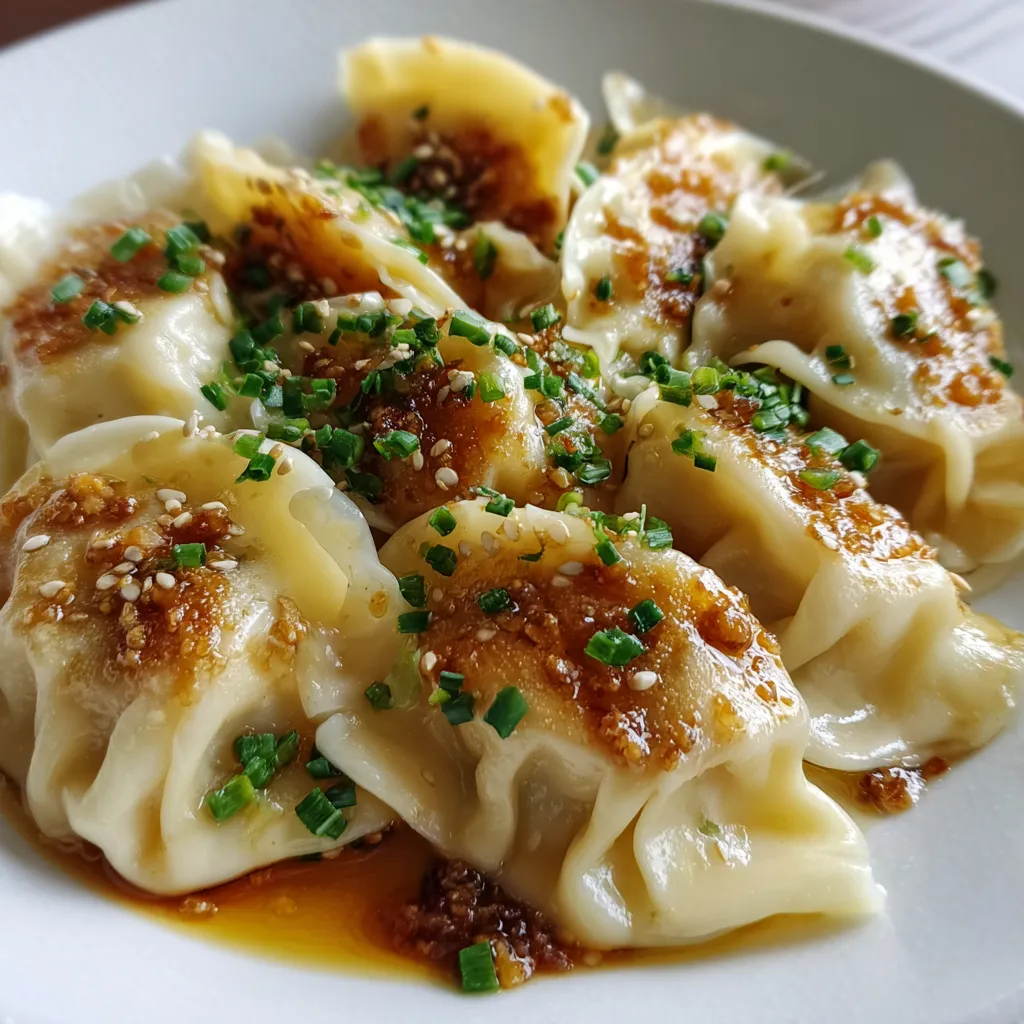

Steamed Dumplings with Homemade Dumpling Sauce
Description
Soft, chewy dumpling skins envelop a savory mix of pork, cabbage, and ginger, steaming until the wrappers turn translucent and tender. Each bite bursts with juicy filling, best dipped into a tangy soy-vinegar sauce with chili and scallions.
Ingredients
Instructions
-
Make the dumpling dough:
-
1) In a mixing bowl, combine flour and salt. Stir briefly to distribute the salt.
-
2) Slowly pour in the just-boiled water while stirring with chopsticks, a fork, or a wooden spoon. The water should be very hot but not at a vigorous rolling boil.
-
3) When the mixture starts to come together into shaggy clumps, switch to using your hands (careful, it will be hot). If too dry and floury, add 1–2 teaspoons more hot water at a time; if too sticky, sprinkle in a little flour.
-
4) Knead the dough in the bowl or on a lightly floured surface for about 6–8 minutes, until smooth, elastic, and slightly firm but pliable.
-
5) Shape the dough into a ball, lightly coat with 1 teaspoon neutral oil if using, cover tightly with plastic wrap or an inverted bowl, and let it rest at room temperature for at least 30 minutes (up to 1 hour). This rest relaxes the gluten and makes rolling easier.
-
Prepare the cabbage:
-
1) Finely chop the cabbage into very small pieces. Place in a bowl.
-
2) Sprinkle with a pinch of salt, mix, and let sit for 5–10 minutes to draw out excess moisture.
-
3) Use your hands to squeeze the cabbage firmly over the sink or in a sieve to remove as much water as possible. This prevents watery filling.
-
Make the dumpling filling:
-
1) In a large bowl, add the ground pork or chicken (or finely crumbled pressed tofu if making vegetarian).
-
2) Add the squeezed cabbage, chopped green onion, grated ginger, minced garlic, soy sauce, oyster or mushroom sauce, sesame oil, sugar, pepper, salt, and cornstarch.
-
3) Using chopsticks or your hand, mix in one direction (clockwise) for 2–3 minutes, slightly lifting and slapping the mixture against the bowl. This helps develop a springy, cohesive texture.
-
4) If the mixture looks very stiff, add up to 1 tablespoon water, a little at a time, and continue mixing until it becomes sticky and holds together. Taste a tiny bit by microwaving a teaspoon of filling for 20–30 seconds to check seasoning, and adjust salt or pepper if needed.
-
5) Cover and refrigerate while you prepare the wrappers.
-
Divide and shape the dough:
-
1) After the dough has rested, knead it briefly for 1 minute to smooth it out.
-
2) Shape the dough into a log and cut it into two equal pieces. Keep one piece covered to prevent drying.
-
3) Roll the first piece into a long, even rope about 1 inch (2.5 cm) in diameter.
-
4) Cut the rope into small pieces, each about 10–12 g, roughly the size of a large grape or marble. You should get about 20–24 pieces from the full amount of dough.
-
5) Lightly dust each piece with flour and cover them with a slightly damp cloth so they do not dry out.
-
Roll the dumpling wrappers:
-
1) Working with one piece of dough at a time, flatten it gently with your palm into a small disc.
-
2) Using a small rolling pin, roll from the edge toward the center, rotate the disc a quarter turn, and repeat. Keep the center slightly thicker and the edges thinner.
-
3) Aim for wrappers about 3 inches (7–8 cm) in diameter. They should be thin but not translucent, so they hold the filling.
-
4) Lightly dust each wrapper with flour and stack loosely, or line them up on a floured tray. Cover with a cloth or plastic wrap to keep them supple.
-
5) Repeat with the remaining dough pieces and the second half of the dough.
-
Fill and fold the dumplings:
-
1) Place one wrapper in your non-dominant hand. Add about 1–1½ teaspoons of filling to the center. Avoid overfilling, or the dumplings may burst.
-
2) Dip a finger in water and lightly moisten the outer edge of the wrapper if your dough feels dry. Fresh hot-water dough often seals without water, so use only if needed.
-
3) Fold the wrapper in half to form a half-moon, pressing the top center together first to seal.
-
4) Create pleats on one side only for a classic look: starting from the center, make small overlapping folds on one side of the wrapper and press them against the flat side, sealing as you go toward one corner, then pleat the other side. Ensure there are no gaps.
-
5) Alternatively, simply press the edges together firmly without pleats for an easy fold. Just be sure the seam is tightly sealed.
-
6) Place finished dumplings upright on a lightly floured tray or a tray lined with parchment. Keep them covered with a damp towel while you work so they do not dry out.
-
7) Repeat until all the filling and dough are used.
-
Prepare the steamer:
-
1) Fill a pot or wok with a few inches of water, making sure the water level stays below the bottom of your steamer basket.
-
2) Line your bamboo or metal steamer with napa cabbage leaves or parchment paper cut to fit. If using parchment, poke a few small holes to let steam circulate.
-
3) Lightly brush the leaves or parchment with a thin layer of oil to help prevent sticking.
-
4) Arrange dumplings in the steamer in a single layer, leaving a little space between each one as they will expand slightly when cooked.
-
Steam the dumplings:
-
1) Bring the water in the pot or wok to a strong simmer over medium-high heat.
-
2) Set the steamer over the simmering water and cover it with a tight-fitting lid.
-
3) Steam fresh dumplings for 8–10 minutes if using pork or chicken, or 6–8 minutes for vegetarian filling, until the wrappers look slightly translucent and the filling is fully cooked. Cut one open to check: meat should be firm and no longer pink; juices should run clear.
-
4) If using frozen dumplings (see notes), steam for 10–12 minutes without thawing.
-
5) After steaming, turn off the heat and let dumplings rest covered for 1 minute before opening the lid to prevent sudden temperature shock that can wrinkle the wrappers.
-
Make the homemade dumpling sauce:
-
1) In a small bowl, combine soy sauce, rice vinegar, sesame oil, and sugar or honey. Stir until the sugar dissolves.
-
2) Add sliced green onion, minced garlic, and grated ginger if using.
-
3) Stir in chili oil or red pepper flakes to taste for heat.
-
4) If the sauce tastes too salty or strong, add 1 tablespoon water and adjust until balanced to your liking.
-
5) Let the sauce sit for at least 5–10 minutes for the flavors to meld.
-
Serve:
-
1) Transfer hot dumplings carefully to a serving plate using tongs or chopsticks.
-
2) Drizzle a little bit of dumpling sauce over the top or serve the sauce in small individual dipping bowls.
-
3) Garnish with extra sliced green onions and sesame seeds if desired.
-
4) Enjoy immediately while hot and tender.
Note
- You can freeze uncooked dumplings: place them on a tray in a single layer, freeze until solid, then transfer to a freezer bag; cook from frozen, adding a few extra minutes of steaming time.
- For a lighter filling, mix half ground meat with half minced shrimp or finely chopped mushrooms for extra juiciness and umami.
- To keep the filling juicy, do not overcook; steaming just until cooked through preserves tenderness and moisture.
- If the dough feels too tough to roll, let it rest longer; resting relaxes gluten and makes rolling much easier.
- For a vegetarian version, replace meat with well-pressed crumbled tofu or finely chopped mushrooms, and use vegetarian oyster-style mushroom sauce.
- Adjust the dumpling sauce to your taste by playing with the soy-to-vinegar ratio: more vinegar for tang, more soy for saltiness, and more sesame oil for nuttiness.
- Leftover steamed dumplings reheat well by pan-frying with a splash of water to make crispy-bottomed potstickers the next day.

